



The smallest earth-friendly actions and choices in our gardens and greenhouses can build to make global waves.
Garden dreaming – whether it’s by day or by night – is blissfully unavoidable, but sometimes dreams come to us back to front, the wrong way around. Recently, I night-dreamt that I was inside my greenhouse, early spring sun warming my cheeks, surrounded by plants, and that we were gently falling to earth. As we softly touched down in my new garden, we sent out ripples in all directions. I watched the soil’s surface briefly rise and fall, plants momentarily quivering as the expanding ripples passed through them, before racing off across the world as far as my eye could see.
Then I woke, smiling, and thought: ‘I’m already doing all this ripple stuff.’
Greenhouse gardeners are in the ripples business. Everything we do has a horticultural ‘ripple effect’ on the world around us, both local and global, some good, some bad. Imagine – daydream, this time – ripples pulsing out from your greenhouse in all directions, bands of positivity spreading out across an increasingly ecologically troubled planet. When ripples bump or merge into each other, they spark other changes, too. Our actions, in our greenhouses, polytunnels, gardens and allotments – anywhere we can grow plants, on our own or with others – might seem small and inconsequential, but together they can pack a weighty green punch.
These words alone are sending you a gently powerful ripple. I’m coaxing you to think differently about your greenhouse and garden, to imagine them anew, and to envision them as a gentle, sun-powered force for good amid a living world that’s being turned upside down. When this ripple nudges you, I may just have done good – I’d love to know – and you’ll perhaps be sending out your own ripples before you know it.
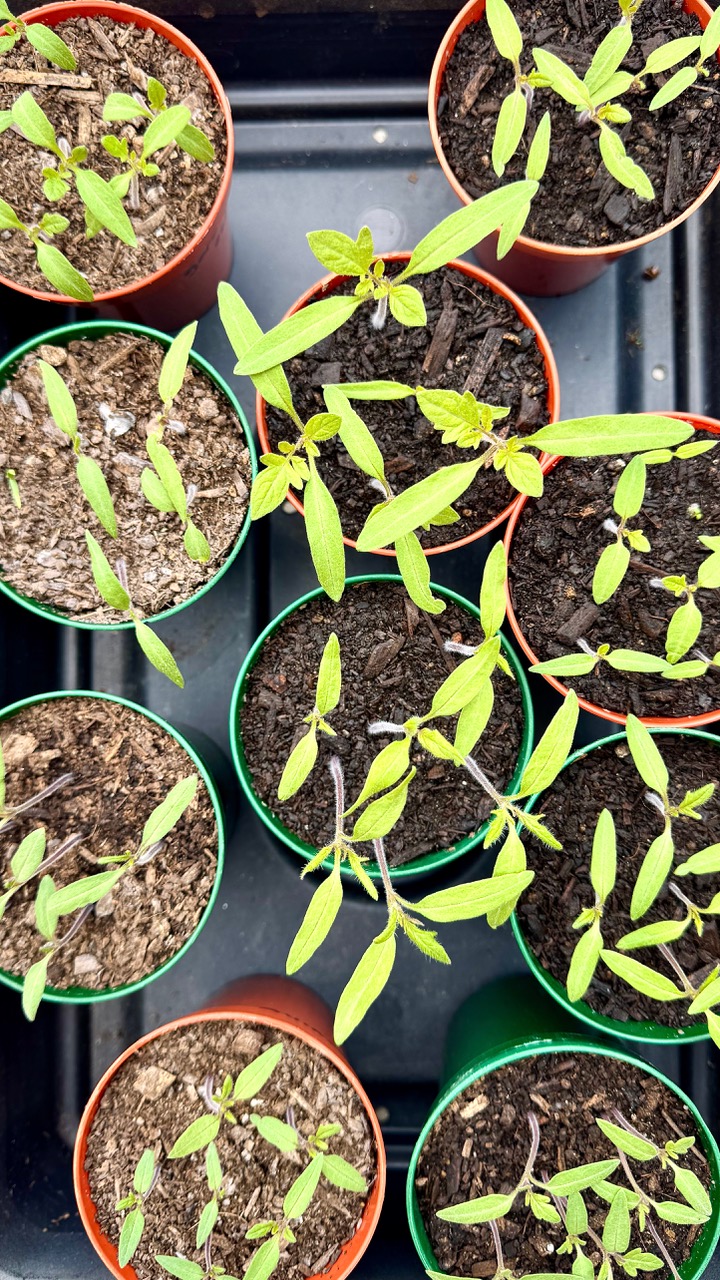
Every pot or tray I fill sends out its own ripples when I use peat-free compost – either home-made, or a quality bought mix – causing peatlands everywhere to breathe a collective sigh of relief. By going peat-free I’m not destroying carbon stores or habitats, or helping to stoke our already febrile climate. When I blend my potting mix using vintage leaf mould and worm-worked ‘wormpost’, the ripples carry extra oomph because I’ve made it using free and renewable materials found within the near orbit of my garden – no car journeys, no plastic bags and no cost. Using peat sends out bad vibes.
The plants I raise in my ultra-local mix send out ripples of their own, starting the moment each seed hits the compost surface. I get a ripple of anticipation from the act of seed-sowing, a buzzy ripple when seedlings come up, a ripple of satisfaction when I pot up or plant out, and ripples of pure joy when the plants begin to flower or are ready to eat. Using rainwater makes its own ripples, reducing demand for energy-intensive tap water and all the gubbins needed to get it to me (I do use some for the sowing/seedling stage).
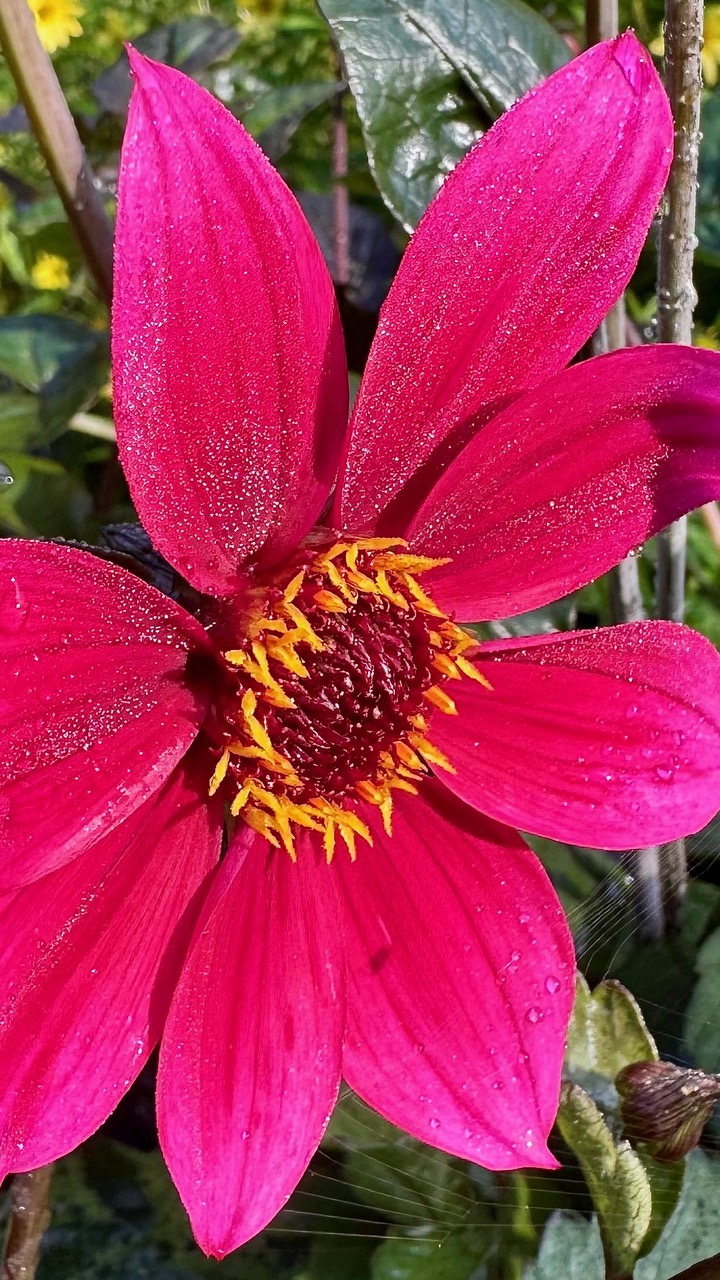
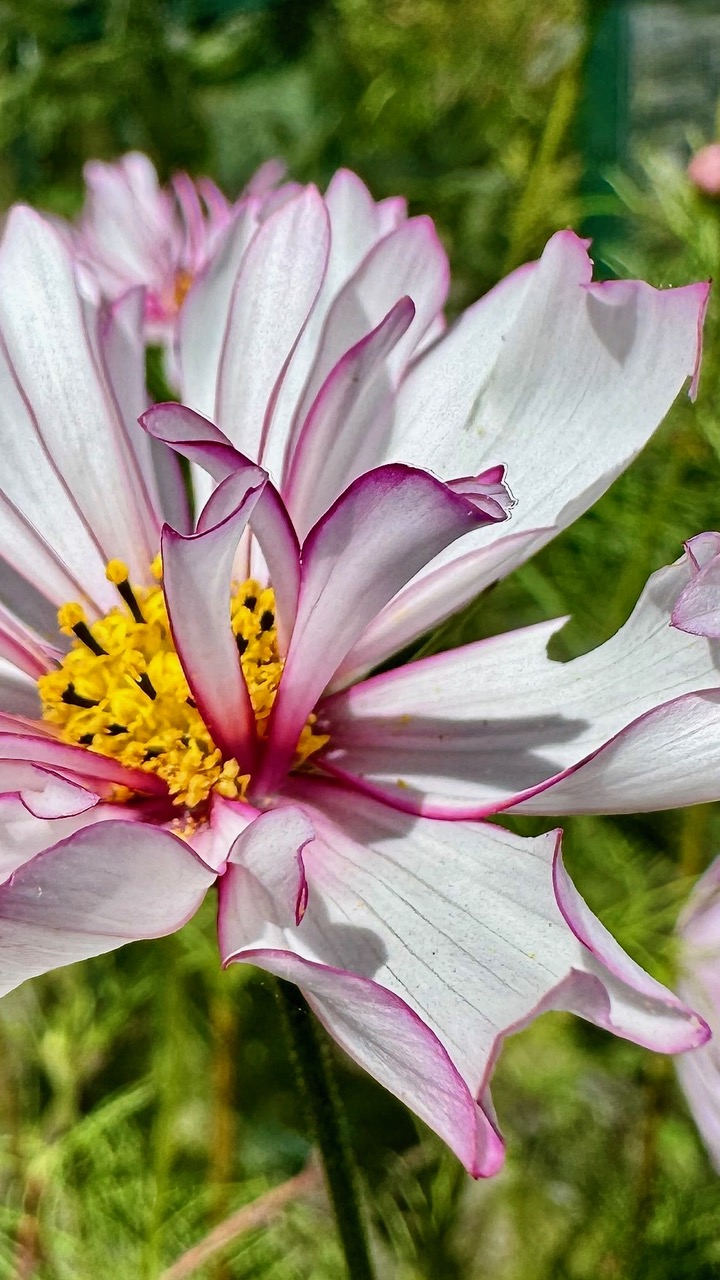
Dahlias bursting into bloom, together with the other pollinator-pulling plants I grow, radiate irresistible ripples, drawing in nectar- and pollen-seeking bees, butterflies, hoverflies and other insects of all persuasions from all around. My garden, eked from a grassy and bracken-riddled, not-much-happening bank, is now a magnet for insects and all other wild life, sending forth unseen ripples of its own into the nearby dull, sheep-mown pastures.
Popping a small pond into the middle of the garden has had the same effect as dropping a pebble into the pond itself; the pond’s ripples have lured frogs, toads and newts into the garden, along with dragon and damselflies, where they’re now an established part of its dynamic, rippling ecosystem.
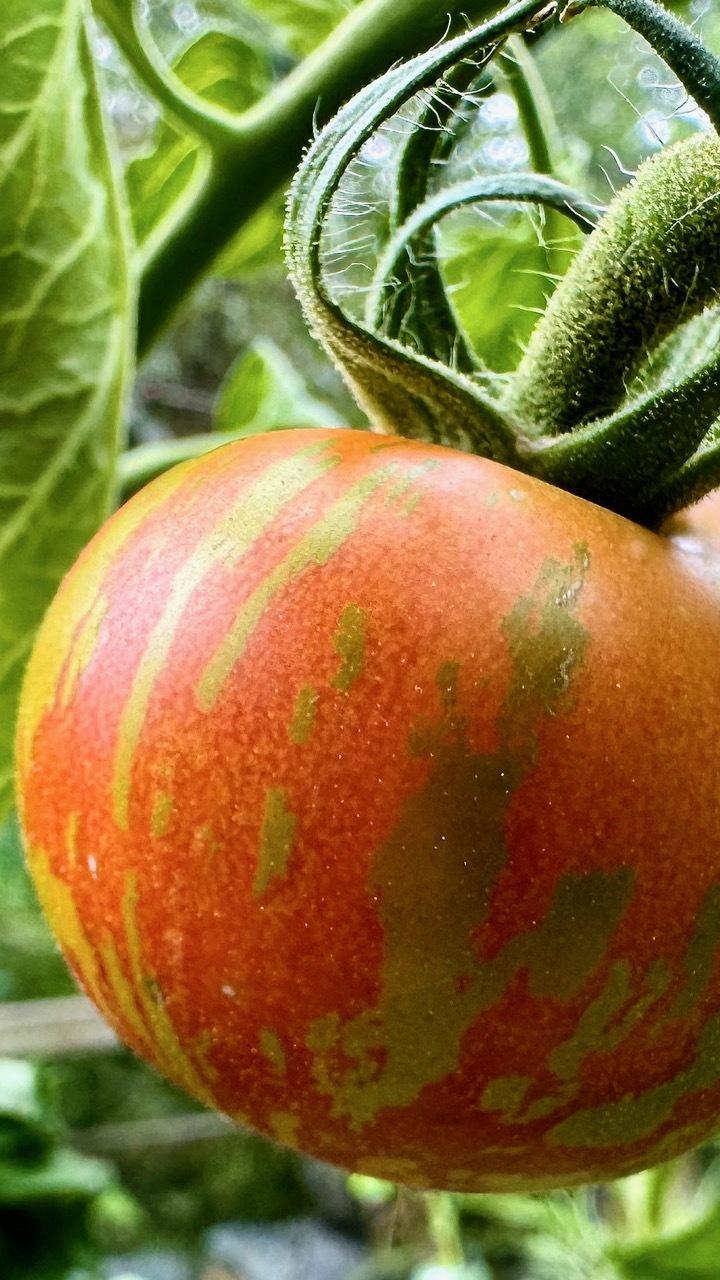
Food grown in my greenhouse sends out ripples that can grow into waves. Relying only on free and non-polluting modern sunshine to heat my greenhouse, I send out ripples that quell demand for the burning of polluting fossil fuels (made of ancient sunshine stored in coal, oil and gas) to provide energy. Growing some food gives me a modest degree of self-reliance, plus the reassurance that some of what I eat is fresh, nutritious and as untarnished by pesticides and pollution as it can be.
But it’s when our gardening ripples merge together that waves really form. Food security – our national ability to keep the shelves in shops stocked with fresh fruit and vegetables – is making news because it’s under mounting pressure. Unpredictable, extreme weather is hurtling growers and farmers into unfamiliar territory, where reliable, seasonal norms are faltering, both here and afar. When we grow even a little food, even just in summer, we send out ripples that help to ease the pressure on food supply chains, which are destined to become ever more erratic in the near future.
When all of our ripples morph together, they gather momentum and become a cresting wave. As the pinch on feeding ourselves tightens, it’s a wave that we must ride by sending food-growing ripples out from all of our greenhouses, gardens and allotments. We’ve successfully dug for victory in testing times before, kept calm and carried on, and we must do it again – this time with more nous and less digging.
Smile-raising ripples of joy are easy to overlook, but they happen every time we give someone a plant, a bunch of home-grown flowers, a handful of warm tomatoes, some cuttings or seedlings, or an envelope of saved seeds to sow when they get home. The plants they grow and share themselves will soon be sending out happy ripples of their own.
Each of our greenhouses and gardens might be drops in a troubled ocean, but millions of us can make ripples that together become waves, collectively packing a positive punch in a living world under strain.
Day or night, it’s time for some sweet dreaming.
Words and images © John Walker. Ripples: DepositPhotos
Find John on X @earthFgardener